

It’s Thursday afternoon. For days I’ve been wanting to write something — anything. It isn’t for lack of ideas that I’m not getting anything down. It’s more a lack of ability to focus. This isn’t a problem I’m used to having, yet more and more, I recognize that exactly is what is going on. I wonder if it’s a sign of aging.
(more…)-
Garden Inspiration for Next Year
I’ve got garden fatigue right now and it should be no surprise. Blaming August would also not be a surprise because it’s not my favorite month, so why not just pile on? Still, I can be constructive about it. Sitting inside on a hotter than I prefer day and thinking about what my garden has taught me this year and applying that to how I’ll revise plans for the next is a good use of my time while I’m avoiding the weeding.
One of the things I do when I plan is to consider inspiration from others’ gardens whether in my town, or on my travels. I look for what I can replicate without feeling as if I must completely redesign my garden. My practicality keeps me from doing that as much as the cost, effort, and time it would take. Instead, when I see a garden I appreciate — especially a very large and formal garden, I focus on the details in small spaces instead of expiring of garden envy as I sigh heavily and take yet another photo of something I want to remember. Something I may be able to recreate. A friend accompanying me leans toward me and whispers, “They have paid gardeners, you know.” Somehow, it doesn’t quite help.
My garden has decent bones that I make the best of. Right now, as I begin to decide what changes I’ll make, I recognize my mood has to do with the idea of “less is more” subtle adjustments. I want to make sure I can take care of everything and still have a life to enjoy. A neighbor called out to me one day when I looked up from whatever I was trimming, “You’re out here every day!” And he is absolutely right. I spend nearly all of May, June, and a good half of July in my yard fussing over every bit of it and never quite feeling satisfied. There is always something more to do. I think most gardeners feel that way. It’s a hobby, but it’s not. It’s more a passion.
This season, my oldest son received an unexpected call on July 18 that resulted in his recent kidney transplant. I haven’t been doing much gardening outside of spot watering and fending off the attack of the Japanese beetles on my roses since then. My usual need to be physically busy when something stressful is going on has evaporated. Although he is doing well, I believe I’ve transferred the worry of his being on dialysis and waiting for a kidney to worrying about the viability of the new kidney. More on that later. For now, I’ll soothe my nerves with a pictorial revisit to a memorable garden I enjoyed a few years ago.
Hollister House Garden is located in Connecticut about 50 miles southwest of Hartford. You can read about its history here. What appealed most to me about this garden is the obvious formal structure coexisting comfortably with its very appealing and somewhat wild and wandering plantings. I tend to be like this as a person so it’s no wonder I was drawn to it. Tell me where the lines are so I’m able to stay within them when I must, but let me step right over them or go around them when I’m inspired or feeling they’re too rigid. It’s an interesting contrast that not everyone appreciates.
I tend to refer to my garden as controlled chaos. What my brain wants is for that controlled chaos to look like the garden at Hollister House minus the perfectly trimmed hedging and gorgeous water features because who can afford those? We made the visit late in May which is when my garden looks more controlled than chaotic. Daffodil blossoms are not quite filling in the empty spaces in the borders and shrubs and perennials are rapidly shaking off the vestiges of Winter. It’s a time of year that I can dupe myself into thinking, “I’ve got this” — until I don’t. Although I always find beauty in the wild personality of my garden, I’d like it to be less wild. Every year, I make more progress to that end. At least that’s what I tell myself until August arrives.
What I’ve gleaned from the garden at Hollister House is that the structure is important. It helps contain the wild. My structure may not be as impressive or tidy (junipers rarely are) but it works well enough for me.
It’s fine to let plants wander or sway into the path or onto the lawn. Let them be! The random buttercups and horsetails poking up among the hostas and lilies are fine.
Wayward ferns or other volunteers growing through crevices in the granite steps and stones in the walls soften the hard edges.
Put a few interesting containers in the mix here and there planted with seasonal bloomers just for the whimsy.
Appreciate the space I have to plant lovely things and spend productive time in the sun after a long, cold winter. This is the easiest part!


Are you a gardener? Do you like strict structure, wild cottage style borders, or a mix of both?
Thanks always for reading!
-

It’s in the sky
I’ve been a subscriber of FarStellar on Substack for about four months now. I stumbled across a post of hers–Emi is her name–and it caught my attention because it challenged me to think about something I’d taken for granted in a new way.
Before I get too involved here, it’s important to explain that although I am not someone who knows much about astrology, I have always been curious about it. I remember my mother read her horoscope every day right before bedtime. She explained that she wanted to see whether her day had been reflected in whatever it had predicted. I’ve always thought that was… odd.
(more…) -
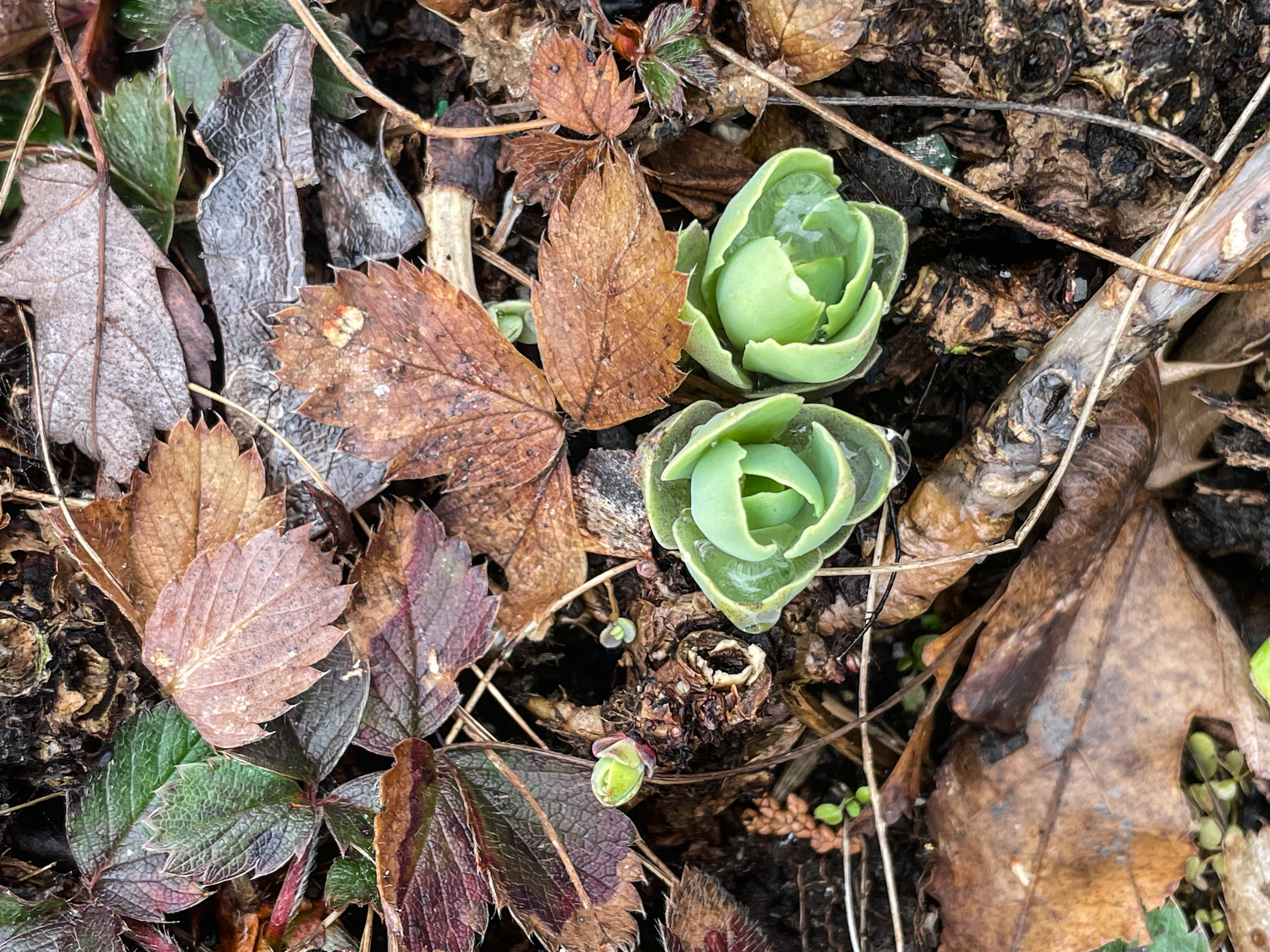
March
Yesterday was the last day of the month. Although it was grey and misty outside I spent time earlier walking the yard just to get some air. The last snow has melted but we’re expecting another storm mid week. Spring takes its time here, so I sat in front of a comforting fire as I wrote while my dog Wanda snuffled quietly in her bed at my feet. She loves a nice fire.
(more…) -
September reflections
September’s weather never disappoints here, as temperatures level out in the low seventies. The sky is clear, and often a welcome breeze keeps the sun’s strong rays from stinging my skin. If I allowed myself, I’d be in the yard like I am on most days from Spring through Summer. I’d settle in one of the chairs out back in the shade and read one of the books I recently purchased instead of delving into my shelves of books waiting to be read. But I know better.
(more…) -

Holding patterns and endings
Yesterday morning, I was awakened by my phone which is rarely kept in my bedroom at night. My iPad keeps me company instead. If my phone rings, and it never does, then the wonders of modern technology will allow my iPad to receive the call. But that’s not why I keep it on the floor next to my side of the bed. It’s more for the occasions I wake in the night and counting sheep or tracing walks through the English countryside or a Southern California beach in Winter cannot lull me back to sleep. I play games: matching games, solitaire, crossword.
Sometimes I read about something I can’t control. That helps me understand and cope in one efficient swoop. Lately, I’ve told myself it’s good for my brain, as if it somehow makes up for a lack of sleep. I’ve had quite a bit on my mind lately. At times, too much.
Earlier this week when my sister was visiting with one of her daughters and newest grandbaby, my husband had to leave unexpectedly after learning his father had had a severe stroke. Not wanting to fiddle with the iPad should he call, I’ve kept my phone nearby for the past two nights.
When a call came in yesterday morning, I didn’t recognize the number so let it go to voice mail. Glasses retrieved from where I’d knocked them onto the floor while flailing for my phone, I realized it was a local call most likely from one of the staff members at the facility where my mother now lives. There had been an incident.
I thought of my father-in-law in that moment, unable to move most of his body, unable to speak in a clear voice or connected way, and most likely feeling anxiety about his new condition. In contrast, my mother is completely mobile, and outside of having poor vision, is almost as sturdy as an old oak, but much thinner. Unfortunately, Dementia has left her with almost no memory and significant personality changes. She is often very unhappy.
At this minute, my husband is with his father as are other family members. His father’s passing is imminent. He has been texting me from time to time since yesterday when they decided his father would be receiving hospice care in the hospital instead of returning him to the place he’s lived with his wife of more than 60 years. “He stops breathing for a while, then takes three large breaths. He’s wheezing and the rattle is beginning,” my husband shares. As much as I have learned about how a human body prepares for death, I realize I’m struggling with the updates.
Yesterday, after listening to the voice mail about my mother, I returned the call immediately. The “incident” had been at breakfast between my mother and another resident. She has made a few friends who enjoy sitting together at meals. Recently, one was moved to a facility closer to her family. Her vacant seat in the dining room was taken by the resident who slapped my mother on the arm. I imagine my mother said something unpleasant to her which perpetuated the aggression — something like, that’s not your seat. There might even have been a sneer on her face at the time because I’ve seen that personality. My mother didn’t deserve being slapped, but I understand her retaliation was immediate. She slapped the woman back. There were no complaints about the incident. I was simply being informed. It conjured memories of teaching Middle School. Dear Mr. or Ms. So and So, your daughter struck another student today at lunch.
Right now, according to my husband, my father-in-law takes about three breaths before lapsing back into stillness for almost a minute. He appears comfortable. My husband and others take turns holding his hand. They share stories about growing up that feature their father while their mother mentions she cannot hear because of her hearing aids. She, also, has severe memory loss, and so as much as it seems she understands what is happening, I expect she will relive what has happened over and over after he passes because she won’t remember. I know this because my mother’s husband passed away several months ago. She often mentions that it seems it never happened.
I may go to visit my mother tomorrow, but could wait another day. I’ll wait because I never know how she will respond when I’m there or how she’ll behave when I leave. I’d appreciate being able to bring her to my house in a normal way. Perhaps we’d do some gardening, or I’d make an early dinner for her. Sit on the front porch with our dog and call to the passersby. I just don’t have the confidence that it will go well. Not yet. She’s unpredictable. I don’t have the emotional energy to handle it well. I’d like not to think about it.
Right now, the sun has just dropped below the horizon. Hours have gone by as we wait for my father-in-law to pass. He’s been more a father figure to me than my own father whom I’ve only ever had a vague, sporadic relationship with since I was four. My father-in-law has definitely had a more positive impact on me than my stepfather who was abusive in a number of ways.
I’ve always appreciated my father-in-law’s demeanor: calm, pleasant, quiet, appreciative. At 95, he’s lived a very long life. I’m glad to have known him and to have had the experiences we’ve enjoyed. The six-week wine tasting class that met once a week was excellent. We never spat out the wine as instructed. The animated discussions we engaged in lacked animosity, just the way we all used to be able to contest one another’s views. The trip to England my husband and I accompanied his parents on contained moments of wonder, of hilarity, and expected impatience: how difficult is it to find a Ploughman’s lunch in a characterful pub with a fire roaring in the grate on a crisp Fall day? Evidently, quite. Good memories, though. Very good.
It’s time to go outside and appreciate the coolness in the air this evening. To sit with my dog on the porch and be thankful for my life. To appreciate now. To wait for my husband’s call.
-

I’m not a ‘content creator’
I think it was late 2006 after I had a complete hysterectomy that I discovered blogging. That wasn’t my intention. I’d gotten a new Mac for Christmas and had a couple of months of recovery ahead of me that involved little or no movement outside of easy home tasks. My brand new Mac sat next to me on a card table while I clicked through the morning television scheduling I wasn’t accustomed to watching. I had been working full time, or over time as a teacher, then school administrator, but had decided to resign after surgery. I thought surely, life would present something I’d missed along the way.
An early version of Pages with a template for journaling caught my eye one day and I settled in gingerly to begin writing. I remember thinking, Just write. Don’t worry about anything. You know. The voices. The voices that tell you that you can’t write, that you need to stay in your lane. The voices writer Ann Lamott calls radio station KFKD in her classic book on writing, Bird by Bird.
“Out of the right speaker in your inner ear will come the endless stream of self-aggrandizement, the recitation of one’s specialness, of how much more open and gifted and brilliant and knowing and misunderstood and humble one is. Out of the left speaker will be the rap songs of self-loathing, the lists of all the things one doesn’t do well, of all the mistakes one has made today and over an entire lifetime, the doubt, the assertion that everything that one touches turns to shit, that one doesn’t do relationships well… “
Perhaps you understand from personal experience. Or perhaps you don’t and now are wildly successful because you have never listened to radio station KFKD. I sincerely applaud you for this. Honestly.
It is with this mindset that I landed somewhere on the Internet and found a Blog. I’d never heard the term before but quickly found it was short for Web Log — a journal kept on line. Immediately, I was attracted. There were others I could have contact with — others like me. I wasn’t sure what that was at the time but learned it had to do with community. It may not have been called that at the time, but it felt exactly so to me.
I sampled Squarespace, WordPress, Blogger, and Typepad. After narrowing down my choices to two and creating two blogs (one is this) on two different platforms, eventually I became committed to WordPress. In time, I bought my domains and transferred my writing to the self-hosted format.
Eight million years have passed. Life has had not only its routine ups and downs, but true traumatic events — most of which I haven’t had the energy to record. As much as I’ve always felt the catharsis writing provides, sometimes I don’t feel well served by rehashing stressful events. Talk about them to someone? Absolutely. A family member, a friend, a professional. For me, at least, this is helpful. Write about them privately? It depends on whether I need to process my emotions. But publically? The desire is there at times, but I’ve got too much to consider.
Time passes. The need to write never leaves me. If I’m not actually writing, then while I’m weeding, or planting seeds in the basement in frigid March, or painting the ceiling in the upper hall, I’m writing. Sentences begin, a paragraph is constructed before too long. I nearly always quash the urge to memorize it and write it down, promising myself I’ll expand it later. Yet I don’t.
For the past few years I’ve used Notes, the simplistic grocery list making app found on an iPhone, iPad, iMac, iWhatever. There’s no audience, it just gets the job done. The rage is on the page for posterity, or for whenever I give myself permission to write something for the public. Right now, public consists of about two or three people. If I put a link on social media, I see there are a few looky-loos, but there appears to be no engagement.
I’m thinking this is perfectly fine because I have missed this view of a digital page I have grown to love over nearly 20 years. I don’t have to think about much other than keeping up with whatever blocks are; blocks are supposedly an easier way to format a post. They’re actually annoying considering they don’t seem to be as easy as the old format. But I see it as brain exercise, and I need that at my age. I need it because I do not want to become whomever my mother is right now: someone who calls me on a perfectly pleasant afternoon to tell me I have a fat ass and to say she doesn’t belong in Memory Care. But I know in less than five minutes she won’t remember the call. Unfortunately I will.
I hate the effect it has on me — the instant dissolving of what I tend to tell myself is strength or resolve. Resilience! She obliterates every bit of it sometimes during a call and sometimes later, after the Bulldog videos I watch wear off. I wonder if I can just sit in my car in the garage until I’m calm, or better, cease to care. Not caring is a difficult and uncharacteristic task for me.
I need to clarify caring and this is where writing for public consumption is problematic. Everyone has an opinion about sensitive issues. What I have experienced with my mother in my lifetime may be similar or completely different from others’ experience. What I say about my experience with my mother will most definitely get reactions from others and that is not what I’m after. I’m not after anything beyond writing truthfully about my life experiences and the effect they have had on me. How I’ve dealt with them. How they’ve changed me. What I’ve learned or haven’t learned from them.
That doesn’t make me a content creator. It makes me someone who writes a journal that is available for the public eye and that is all. The reason I know this is based on how I feel right now after writing all of what is above. The catharsis is alive and well, reducing the sting of the bite.
I was going to shovel dirt from the pile sitting in our driveway to fill the low spots in our yard. I also considered my obsession with pulling Dandelion weeds from our lawn, or finish painting the south facing garage windows. Writing won. Ultimately, I believe it is what helps me work through this awful problem. The other tasks would simply help me feel practical while not addressing what was bothering me — something I will never be able to fix.
So here I am, not quite as happily as I once was years ago, pecking on my WordPress interface. Should I care that this once promising at least to me space could become the Dementia Chronicles, or a new version of Mommy Dearest? Remember, I do care, but what often comes with that is more important: Does it matter?
No, it doesn’t. This Blog is for my mental health. It’s for me. I welcome you to read if you choose to, and to comment with what you think and feel in response to what I’ve written. If you’re anything like me, you search for others who know and are willing to share, or at least understand. If you are, then welcome. Don’t forget to buckle up. The ride is a bumpy one.
-
A memory care visit: How will it go?

In a couple of hours, I’ll drive the short distance to where my mother has lived for a month: in memory care with others who are like her. They’re in their later years, and in cognitive decline. It’s taken me a few days to decide how I’ll handle this visit because each one has been different from the preceding one. This isn’t necessarily because of who accompanies me or what we decide to do. Often, it’s related to her mood. This, more than anything, has had a profound effect on me.
(more…) -
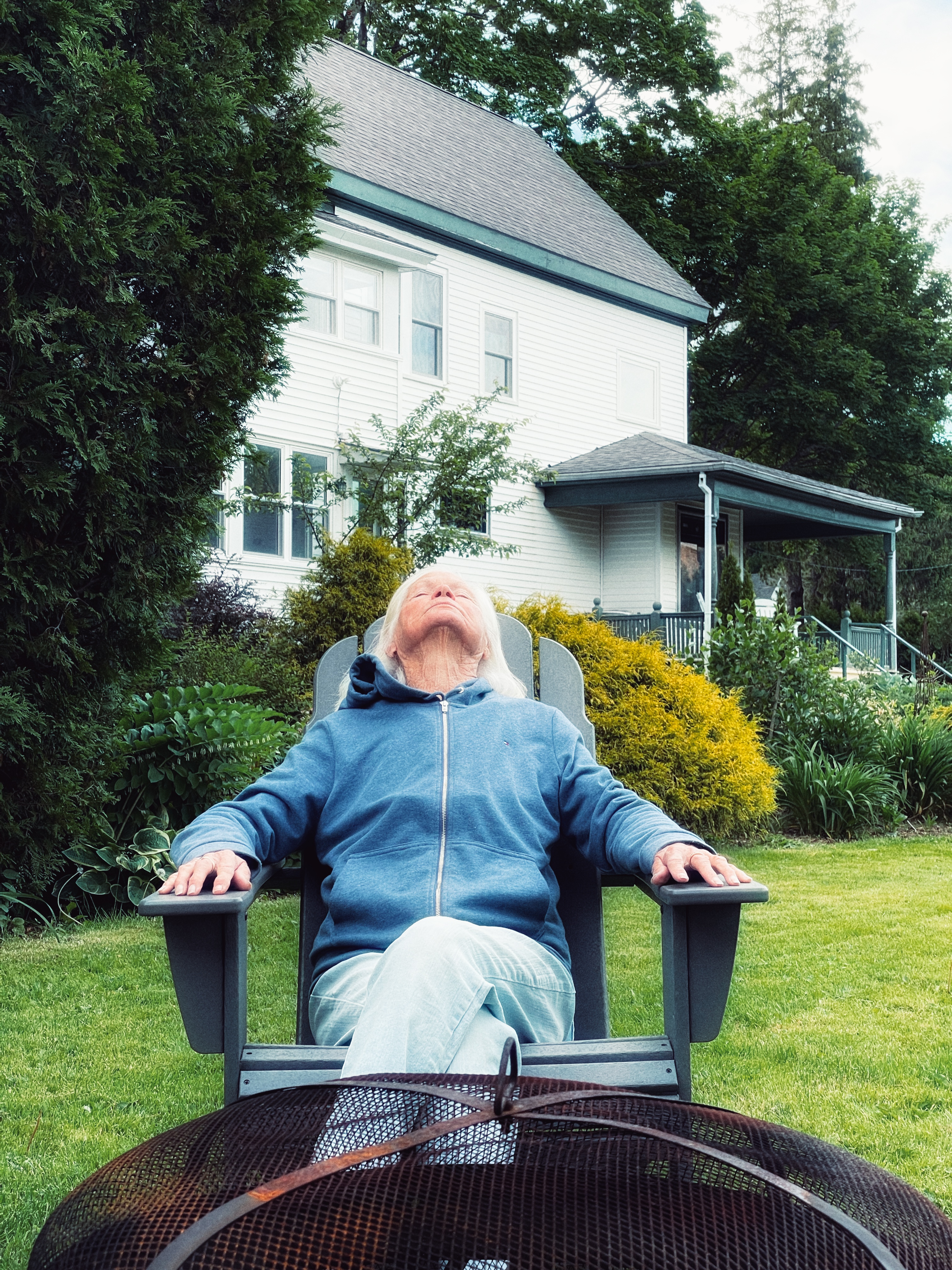
It could be worse.
“How long have I been here?” My mother asks this frequently.
“Almost five months now.” I sound like a recorded message because I feel that way at this point. If my mother could retain anything she questions us about I’d have trained Alexa to answer everything she asks.
“Five months?” She shakes her head in seeming wonderment or frustration and turns to gaze out the kitchen window while I imagine she is lining up the followup questions that usually accompany the first. But I’m ahead of her.
(more…) -

August
August is not my favorite month. I’m not sure I’ve ever spent time thinking about this, but today it came up as I was writing my morning pages. The daily three pages of stream of conscious writing is a new facet of my life, derived from The Artist’s Way, by Julia Cameron. I should probably remember how the books I read find their way to me, but in this case, I’m drawing a blank. The important aspect is that its subtitle, “A Spiritual Path to Higher Creativity” is what made me decide to buy it. I’m only in the midst of Week Two, but the morning pages are now a fixture in my life. Any number of things arise in the morning pages, but a few days ago, August stood out.
Why August?